
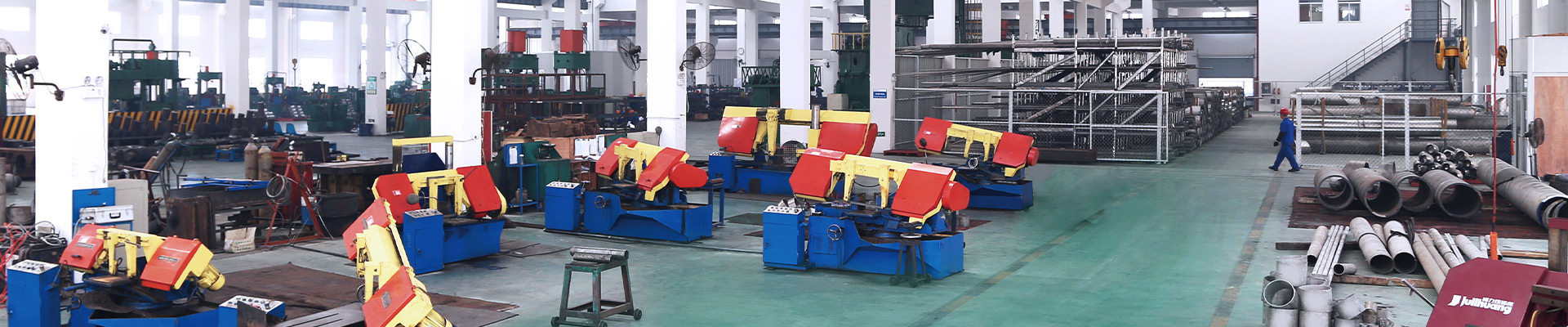
In many industrial projects, construction delays are rarely caused by major equipment. More often, they come from small but time-consuming tasks carried out on site, especially piping installation. This is where Pipe Prefabrication Services have become increasingly important in modern engineering.
Instead of cutting, welding, and assembling everything in the field, Pipe Prefabrication Services move a large part of the work into controlled workshop conditions. The result is better consistency, faster installation, and fewer unexpected issues during commissioning.
At FEITING, we support EPC contractors and industrial owners with integrated piping solutions, including Pipe Prefabrication Services, pipe spool production, and project-based fabrication support for oil & gas, petrochemical, and power generation industries. In many refinery and chemical projects, Petrochemical Piping spools Prefabrication has proven to be a key factor in meeting tight schedules.
Where Pipe Prefabrication Starts to Matter
Most project managers start paying attention to Pipe Prefabrication Services when site progress begins to fall behind schedule. Weather conditions, labor shortages, and welding restrictions often slow down field work.
A typical situation looks like this: pipes arrive on site, but alignment adjustments take longer than expected. Welding inspections also require repeated rework. Suddenly, installation becomes the critical bottleneck.
This is exactly where Pipe Prefabrication Services help stabilize project timelines.
In controlled workshop environments, pipe cutting, welding, and inspection are completed before delivery. As a result, Pipe Prefabrication Services reduce dependency on unpredictable site conditions. This is where Pipe Spool prefabrication plays a central role in streamlining site assembly.
Common Pain Points in Traditional Pipe Installation
Field fabrication has always been challenging.
Even experienced teams face issues such as inconsistent weld quality, limited working space, and environmental interruptions. These problems often lead to rework and schedule delays.
This is why many contractors now shift part of the workload to Pipe Prefabrication Services, especially for complex systems like PDH units or refinery expansion projects.
In large-scale developments, PDH pipeline prefabrication becomes especially useful because it reduces the number of high-risk welding activities performed at height or in tight spaces.
From a cost perspective, Pipe Prefabrication Services also help control labor variability and reduce waste material on site.
How Pipe Spool Prefabrication Changes Project Execution
One of the most noticeable improvements comes from Pipe Spool prefabrication.
Instead of assembling individual pipes on site, sections are manufactured as complete spools in the workshop. These spools are then transported and installed directly.
Pipe Spool prefabrication improves dimensional accuracy because fabrication takes place under controlled conditions. It also reduces field welding workload significantly.
In FEITING's project experience, Pipe Spool prefabrication is often used in petrochemical plants where installation windows are tight and shutdown time must be minimized.
Many EPC contractors now prefer Pipe Spool prefabrication because it allows parallel progress between civil work and piping fabrication.
Key Selection Points Before Choosing a Prefabrication Method
Before selecting Pipe Prefabrication Services, engineers usually evaluate several factors.
First, they check system complexity. High-density piping systems often benefit more from Pipe Prefabrication Services than simple utility lines.
Second, they consider material type. Projects involving Special material pipe prefabrication require tighter process control because stainless steel, duplex, or alloy materials behave differently during welding.
Third, they review design maturity. Stable and finalized designs are more suitable for Pipe Prefabrication Services, while frequently changing designs may require hybrid approaches.
In some projects, Pipe Prefabrication design becomes a key coordination step between engineering and fabrication teams to ensure accurate spool generation.
Recommended Application Scenarios
Not all projects use prefabrication in the same way.
In refinery projects, Petrochemical Piping spools Prefabrication is widely applied to reduce field congestion and improve installation safety. Large modules can be assembled and tested before delivery.
By adopting Pipe Spool prefabrication, project teams can also reduce the number of field welds significantly.
In gas processing units, PDH pipeline prefabrication helps shorten shutdown installation periods and improve turnaround efficiency.
For projects involving corrosive or high-spec materials, Special material pipe prefabrication ensures better quality control compared with on-site welding conditions.
Across all these applications, Pipe Prefabrication Services provide a more predictable construction process and reduce dependency on site conditions.
Many owners choose PDH pipeline prefabrication because it helps reduce installation uncertainty during critical project phases. For facilities with strict startup schedules, PDH pipeline prefabrication often provides better control over fabrication quality and construction sequencing.
Similarly, large refinery and chemical projects continue adopting Petrochemical Piping spools Prefabrication to improve coordination between fabrication workshops and field installation teams. In recent years, Petrochemical Piping spools Prefabrication has become a standard approach in many large-scale expansion projects where schedule control is a top priority.
Common Mistakes in Prefabrication Projects
One common mistake is starting fabrication before design finalization. This often leads to rework and wasted material.
Another issue is underestimating transportation constraints for spool modules produced through Pipe Spool prefabrication. Oversized spools can create logistics challenges.
Some projects also fail to properly coordinate Pipe Prefabrication design with actual site installation requirements, resulting in misalignment during assembly.
In addition, selecting inappropriate materials for Special material pipe prefabrication without proper welding procedures can affect long-term system performance. Some project teams overlook the importance of early planning for Petrochemical Piping spools Prefabrication, which can lead to coordination issues later.
Conclusion
As industrial projects become larger and more complex, efficiency and predictability in construction become increasingly important.
Pipe Prefabrication Services help reduce on-site workload, improve quality control, and shorten installation schedules. Whether it is Pipe Spool prefabrication, PDH pipeline prefabrication, or Petrochemical Piping spools Prefabrication, the goal remains the same: deliver more stable and controllable project execution.
At FEITING, we continue to support global industrial clients with integrated piping solutions, combining engineering experience with practical fabrication capability to ensure every system performs reliably from workshop to final installation.