
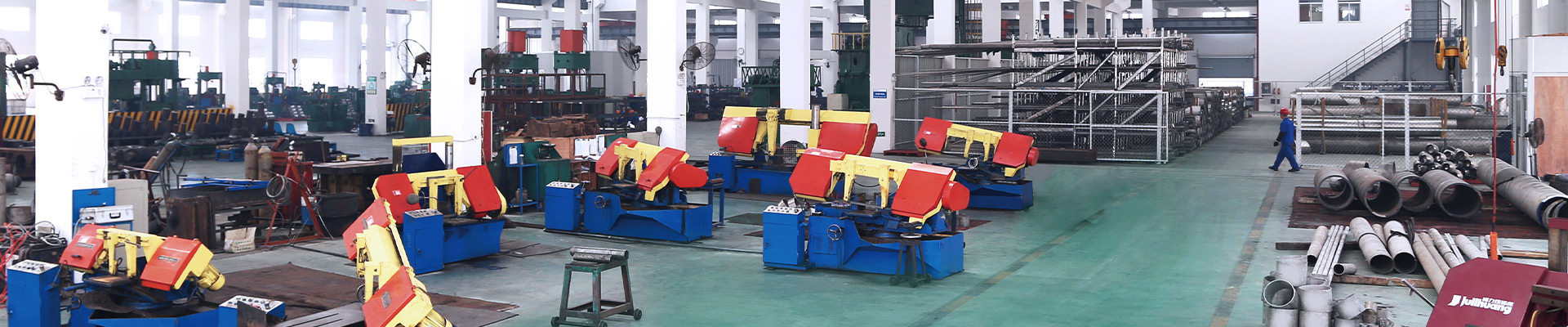
In real industrial projects, piping problems rarely start with dramatic failures. More often, they begin with small issues—leaks at joints, stress cracks around bends, or fittings that wear out faster than expected. At FEITING, we see these problems across oil & gas, petrochemical, power generation, and heavy manufacturing sites. That is why Forged Fittings play such a critical role in modern piping systems. From Forged Metal Elbow to Forged Metal Tee and Forged Metal Cap, these components deliver strength, stability, and long-term reliability where welded or cast parts often fall short.
Application Scenarios for Forged Fittings
Forged Fittings serve as core industrial piping components in systems that operate under high pressure, high temperature, or corrosive environments. Engineers commonly use Forged Fittings in refineries, offshore platforms, chemical plants, and power stations. In these scenarios, high pressure pipe fittings must handle continuous stress without deforming.
A Forged Metal Elbow ensures smooth flow direction changes without thinning the pipe wall. A Forged Metal Tee maintains flow balance while branching pipelines. A Forged Metal Cap seals pipe ends securely during testing or system expansion. These industrial piping components support both carbon steel and alloy pipelines, making carbon steel pipe fittings a practical choice for cost-controlled projects.
Common Pain Points in Industrial Piping
Many buyers come to FEITING after experiencing repeated failures with low-quality fittings. Cracks at welded joints, inconsistent dimensions, and poor pressure resistance often result from inferior high pressure pipe fittings. Cast parts may look acceptable at first, but they lack the grain density of Forged Fittings.
In demanding systems, weak industrial piping components increase maintenance frequency and raise downtime costs. This is especially true when carbon steel pipe fittings operate under fluctuating pressure. Choosing reliable Forged Fittings reduces these risks and stabilizes long-term system performance.
Key Selection Criteria for Forged Fittings
When selecting Forged Fittings, experienced buyers focus on material quality, forging process, and dimensional accuracy. FEITING produces Forged Fittings using controlled forging temperatures that refine metal grain structure. This process improves strength and fatigue resistance in high pressure pipe fittings.
Material compatibility matters. For many projects, carbon steel pipe fittings offer a strong balance between performance and cost. Engineers also examine surface finish, tolerance control, and pressure ratings. Well-made industrial piping components install easily and align accurately, reducing stress during operation.
Parameter Recommendations from FEITING
At FEITING, we recommend matching Forged Fittings parameters directly to operating conditions. Pressure class, wall thickness, and temperature rating should align with system demands. Our high pressure pipe fittings meet international standards and support stable operation under continuous load.
For carbon steel pipelines, carbon steel pipe fittings with consistent chemical composition deliver predictable performance. Standardized dimensions ensure each Forged Metal Elbow, Forged Metal Tee, and Forged Metal Cap integrates smoothly with existing industrial piping components, minimizing installation adjustments.
Common Mistakes Buyers Should Avoid
One common mistake involves selecting fittings based only on price. Low-cost alternatives often lack proper forging quality, leading to early failure of high pressure pipe fittings. Another issue involves mixing incompatible industrial piping components, which creates uneven stress distribution.
Some buyers underestimate the importance of certified carbon steel pipe fittings, especially in regulated industries. Choosing non-standard Forged Fittings may cause inspection delays or operational risks. FEITING advises buyers to prioritize verified specifications and proven manufacturing experience.
Buyer Questions Answered Clearly
Do Forged Fittings last longer than cast fittings?
Yes. Forged Fittings offer denser grain structure, improving durability in high pressure pipe fittings.
Are carbon steel pipe fittings suitable for harsh environments?
When properly specified, carbon steel pipe fittings perform reliably in many industrial conditions.
Why choose forged components for critical pipelines?
Forged designs reduce weak points in industrial piping components, improving system safety.
Conclusion
Reliable piping systems depend on the quality of every connection. Forged Fittings, including Forged Metal Elbow, Forged Metal Tee, and Forged Metal Cap, provide the structural integrity required for demanding industries. At FEITING, our experience in manufacturing high pressure pipe fittings, carbon steel pipe fittings, and precision industrial piping components helps clients build systems that operate safely and efficiently over time. Choosing the right Forged Fittings today prevents costly failures tomorrow.