
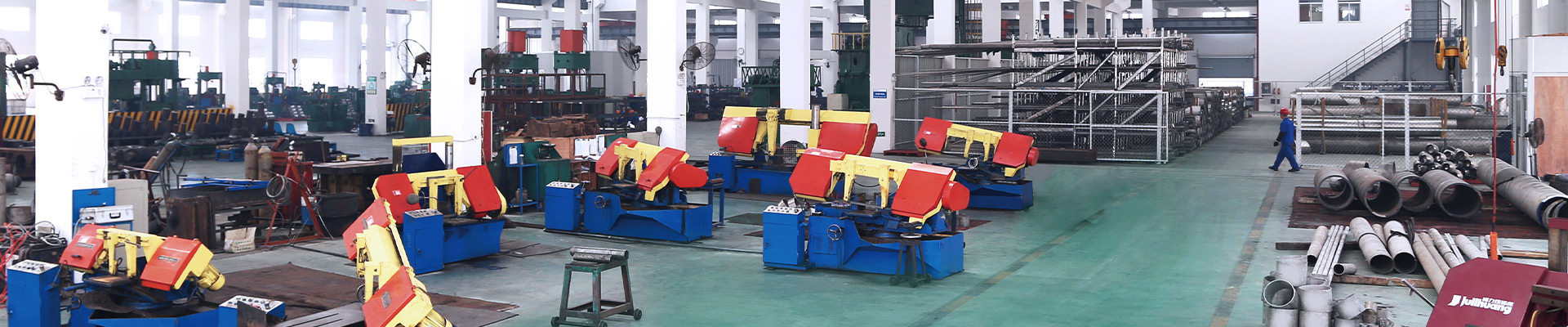
In heavy industry, picking the right pipe can make or break a project's safety record, uptime, and budget. That's where Stainless Steel Welded Pipe comes in strong—it's the material many operators choose for handling tough fluids, extreme heat, and aggressive chemicals. At FEITING, we focus on delivering high-quality Stainless Steel Welded Pipe that stands up to real plant conditions in industrial fluid transport pipe networks, high temperature piping system setups, and as a reliable corrosion resistant pipeline. Engineers keep specifying it because Stainless Steel Welded Pipe offers the right mix of weld strength, material stability, and long-term performance.
Where Stainless Steel Welded Pipe Really Shines
You'll see Stainless Steel Welded Pipe running critical lines in refineries, petrochemical facilities, power plants, fertilizer production, and offshore platforms. It often serves as the backbone for industrial fluid transport pipe systems moving oil, gas, steam, acids, or process chemicals. Power generation projects depend on it for high temperature piping system sections dealing with superheated steam and daily thermal cycles. Chemical plants use it extensively as a corrosion resistant pipeline when chlorides, acids, or other aggressive media would quickly destroy carbon steel. Marine and offshore jobs also call for this pipe in industrial fluid transport pipe exposed to saltwater or brine splash zones.
Common Pain Points Operators Face
Plant managers I've spoken with often share stories of early failures from wrong material choices. Leaks show up fast when welds in industrial fluid transport pipe lack proper control. Heat-related issues like creep or cracking plague inadequate high temperature piping system materials. Without a solid corrosion resistant pipeline, pitting and wall thinning force expensive replacements ahead of schedule. Quality Stainless Steel Welded Pipe helps avoid most of these headaches by providing consistent mechanical properties and reliable weld integrity.
How to Choose the Right Stainless Steel Welded Pipe
Start selection by matching the pipe to your operating environment. For standard industrial fluid transport pipe duties, prioritize smooth internal seams and uniform walls. When designing a high temperature piping system, opt for grades like 304H or 316H that fight oxidation and creep effectively. Aggressive chemical service demanding a true corrosion resistant pipeline calls for 316L or alloys with higher molybdenum. Always confirm compliance with standards such as ASTM A312 or A358 and request mill test reports. At FEITING, we help customers select the exact grade and schedule that fits their industrial fluid transport pipe, high temperature piping system, or corrosion resistant pipeline requirements.
Key Technical Parameters and Recommendations
Pressure rating depends heavily on wall thickness—thicker schedules suit higher-pressure industrial fluid transport pipe lines. Tight diameter tolerances make alignment easier during high temperature piping system installation. Internal finish also plays a role: pickled or polished surfaces improve flow efficiency in industrial fluid transport pipe and boost resistance in corrosion resistant pipeline applications. For service above 500°C in a high temperature piping system, stabilized grades prevent sensitization issues. We suggest full-penetration welds and nondestructive testing on critical sections carrying hazardous fluids.
Practical Questions Buyers Ask
Is welded stainless pipe reliable for decades of service? Yes—it excels in long-term industrial fluid transport pipe and corrosion resistant pipeline roles.
Does it hold up under constant high heat? Definitely. The right specification performs outstandingly in high temperature piping system environments.
Why pick welded over seamless for corrosion protection? Modern Stainless Steel Welded Pipe often equals seamless as a corrosion resistant pipeline when manufacturing controls are tight.
Mistakes That Lead to Early Failures
One frequent error is buying based solely on upfront cost—low-quality fabrication leads to weak seams that fail in industrial fluid transport pipe service. Using basic 304 where heat demands stabilized grades shortens life in high temperature piping system setups. Overlooking alloying elements like molybdenum dooms performance in chloride-heavy corrosion resistant pipeline duties. Skipping proper post-weld heat treatment or inspection also creates hidden risks.
Why Teams Keep Coming Back to FEITING
We produce pipe built for actual operating demands across energy, chemical, and power sectors. Our offerings consistently support tough industrial fluid transport pipe networks, stabilize vital high temperature piping system runs, and deliver dependable corrosion resistant pipeline performance where downtime isn't an option.
Bottom line: quality stainless steel welded pipe remains a top choice when you need piping that truly lasts. Whether moving fluids through an industrial fluid transport pipe layout, managing heat in a high temperature piping system, or defending against attack as a corrosion resistant pipeline, FEITING's product line gives you proven reliability and real value over the project's life.